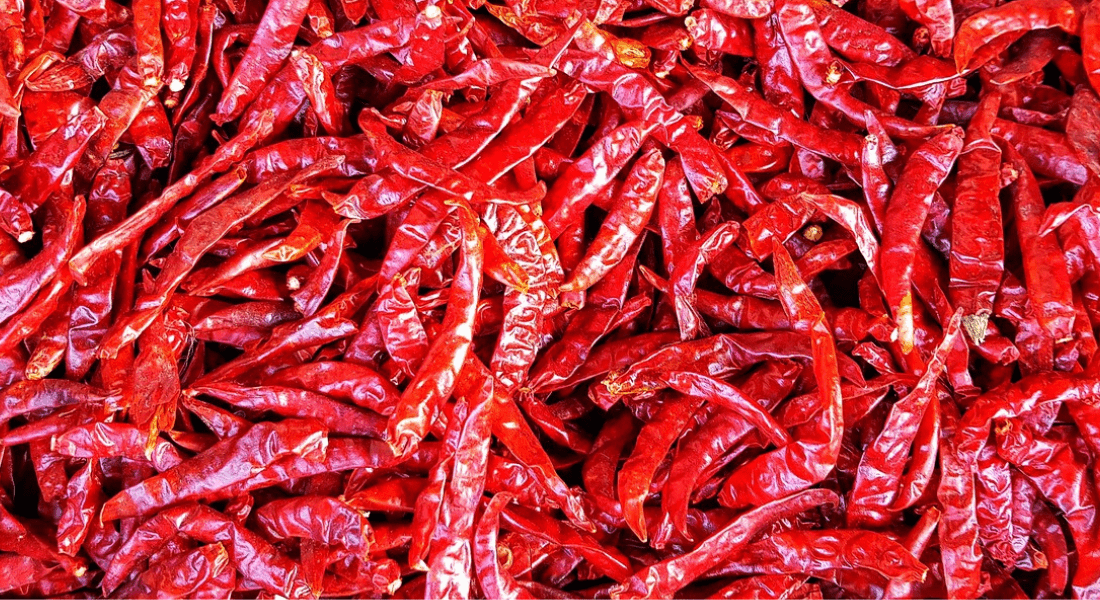
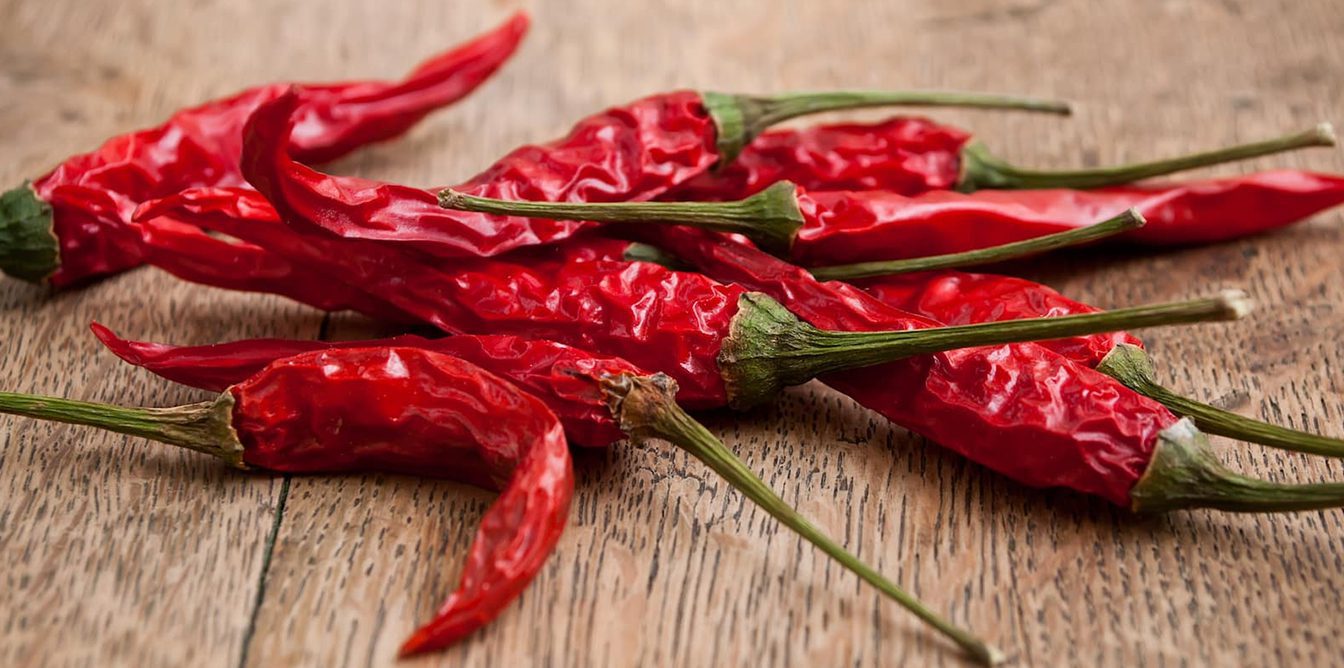
When it comes to Indian spices, the one that stands out the most is undoubtedly the chilli. Spicy, pungent, and vibrant, the red chilli is an essential ingredient in Indian cooking. No dish feels truly complete without a hint of its heat and flavor, making it an integral part of Indian cuisine.
India leads the world in red chilli production and export. It produces approximately 13.6 million tonnes of red chillies annually, with the country fulfilling nearly 50% of the global demand for this spice. Given its importance, there is a vast range of red chillies grown across India, each with its own unique flavor, heat level, and culinary application.
Some of these varieties are extremely hot, capable of making your face flush and your eyes water, while others are milder, prized for their color and taste rather than their heat. Let’s explore some of the most popular and notable red chilli varieties found in India.
Sannam Chilli
Regarded as the “king” of Indian chillies, Sannam chilli is widely grown in the states of Andhra Pradesh and Madhya Pradesh, with the best variety hailing from the Guntur region in Andhra Pradesh. Known by names like Sannam S4 or 334, this medium-sized, bright red chilli is characterized by its pleasant aroma, medium pungency, and versatility. It’s a popular choice in Indian, Chinese, Mexican, European, and Japanese cuisines. Beyond its flavor, Sannam chilli offers health benefits, stimulating the appetite, aiding digestion, and improving blood circulation.
Byadgi Chilli
Byadgi chillies, also known as 668 Byadagi, are grown primarily in the Byadgi region of Karnataka’s Haveri district. These long, wrinkled, dark red chillies are famous for their ability to retain nutritional value over extended periods. Byadgi chillies contribute not only a subtle heat but also a deep red color to dishes. Rich in vitamins such as A, B, C, and E, as well as minerals like manganese, folate, potassium, and thiamin, Byadgi chillies are used in various forms: whole with stem, without stem, crushed into flakes, or ground into powder.
Teja S17
Teja S17, known for its extreme heat, is cultivated in the southern regions of India. One of the hottest and most popular chillies on the global market, Teja is highly sought after for its fiery flavor and distinct aroma. This chilli variety is commonly used in the making of red chilli powder, as well as in stir-fries, soups, stews, and other spicy dishes. For those who crave intense heat, Teja S17 is the ideal choice.
Wrinkle 273
Another variant from Guntur, Andhra Pradesh, Wrinkle 273 chillies are renowned for their pungency, vibrant color, and aromatic qualities. With fewer seeds than other varieties, Wrinkle 273 chillies have gained international fame, being exported to countries across Asia, Europe, and Canada. They add a distinct flavor and aroma to dishes, making them a favorite for spice lovers.
Indo 5 Chilli
Indo 5, also referred to as Indem-5, US-5, or Endo 5, is a popular red chilli variety grown in Andhra Pradesh, Karnataka, and Maharashtra. These longer, thicker-skinned chillies have a mild to moderate heat level, making them a versatile ingredient in both Indian and international cuisines. Despite their lower heat, Indo 5 chillies are favored for their ability to provide excellent color and flavor to various dishes.
Kashmir Chilli
Kashmiri chillies are highly prized for their ability to add a rich, dark red color to food without overpowering the dish with heat. Grown in the cooler climates of Kashmir, these chillies are used extensively in Indian cooking, particularly in the preparation of curries and spice blends. While they have a milder heat compared to other varieties, their ability to impart a deep, vibrant hue makes them a kitchen staple.
Jwala Chilli
A very popular variety in western India, Jwala chillies are grown in Gujarat, particularly in regions like Kheda and Mehsana. Known for their light red color and high pungency, Jwala chillies are widely used in Indian cuisine, especially in Gujarati dishes. Their sharp heat and crisp texture make them a key ingredient in various traditional recipes.
Dhani Chilli (Bird’s Eye Chilli)
Small but incredibly fiery, Dhani chillies, also known as Bird’s Eye chillies, are primarily grown in the northeastern states of Mizoram and Manipur. Despite their tiny size, these bright red chillies pack an intense punch and are renowned for their extreme heat. They’re commonly used in regional dishes and are popular in the markets of Kolkata.
Ramnad Mundu/Gundu
Ramnad Mundu, also called Gundu, is a thick, round chilli variety grown in the fertile lands of Ramnad in Tamil Nadu. Gundu chillies are commonly used to spice up chutneys, sambars, and tadkas in southern India, adding a mild heat and a flavorful kick to these dishes.
While the above-mentioned chillies are among the most well-known varieties in India, there are countless others grown across the country, each with unique characteristics. Other notable varieties include Mathania, Longi, Bhavnagari, Boriya, Reshampatti, Sankeshwari, Sangli Sannam, Nalchetti, Titimiti, Bhut Jolokia, Warangal Chappatta, Tadepalli, Madras Puri, Hindpur Mirch, and Kanthari Sattur. On the global stage, varieties such as Habanero, Jalapeño, Cayenne, Serrano, and Poblano are also popular.
Whether you seek intense heat or rich color, Indian chillies offer a vast array of options to spice up your cooking. Their unique flavors and varying heat levels make them indispensable in global culinary traditions.



Tempora et reprehenderit pariatur fuga. Labore quae autem placeat id eveniet. Dolorem soluta nam corrupti ut
Nemo sapiente laborum et porro. Eum et nihil dolore nobis quis qui. Eos eum eum ea ad. Quae repellat dolorem molestias corporis. Sit nulla eos corporis ipsam aut repudiandae. Officiis veniam maxime sed nisi ut. Adipisci enim est laborum animi cupiditate iusto.
Est quod commodi vero aut ecusandae aperiam non impedit Ullam laborum ullam ut Sunt quia quod ea sit Odit occaecati Explicabo iusto harum harum velit Quibusdam nostrum. Quis qui quis qui aut ut modi ea Nihil Est nostrum et nihil Quam vel ut omnis vitae est Voluptas qui et voluptatem
Iure aut non incidunt nostrum aspernatur eligendi labore
Saepe sed molestiae est deleniti. Asperiores sit earum sit cumque
Dolorem quo voluptatem illo nulla quia. Quis quis et Eius placeat ab facere voluptas. Consequuntur voluptas officia eum reprehenderit quos ex magni. Temporibus tenetur cupiditate tempora.